How To Know Series: How to Differentiate Your Brand in Physical Retail
Opening a store does not automatically make a brand stand out. Strong retail brands differentiate themselves through location, visibility, customer experience, and ongoing engagement. Every decision should make it easier for customers to discover, understand, and remember the brand.
Location and co-tenancy shape who walks in
You have undoubtedly heard the expression “location, location, location.” Having a great store location is extremely important for all the obvious reasons. But what is “great” for one brand is not necessarily the same for all brands. The best location is not always the busiest location. It is the location that attracts your target customer.
Some brands benefit from destination-oriented locations, while others depend on heavy foot traffic. A corner location may offer more visibility, but the additional rent is not always justified. The right location depends on the business model, customer base, and sales strategy.
The surrounding businesses matter just as much as the location itself. Co-tenancy plays a critical role. The brands and businesses surrounding a store shape perception before anyone walks inside. Certain types of retailers, like apparel or jewelry, can greatly benefit from cross-shopping that occurs when a retail district forms around complementary uses.
High foot traffic alone does not guarantee success. Shoppers visit different districts for different reasons. A tailor, for example, may struggle in a nightlife district despite the volume of people. Successful retailers choose locations where their brand fits naturally within the surrounding environment.
Frontage and signage bring customers inside
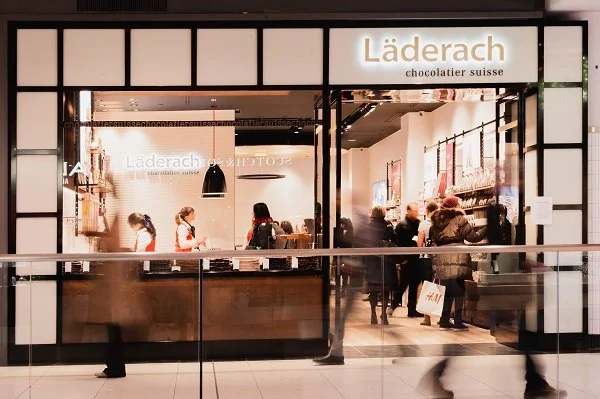
Once the location is set, visibility becomes the next layer of differentiation. Customers need to be persuaded to enter the store. Frontage is a key component of how much exposure a store receives and how long people have to notice it while passing by. Signage should communicate who you are and what you offer within seconds. The most compelling storefronts are immediately noticeable, easy to understand, and clear in what they represent. They do not require interpretation. For emerging brands, clarity beats complexity. If customers cannot quickly understand what the store is, many will keep walking. Many retailers focus heavily on the in-store experience while overlooking the storefront. In reality, the storefront is often the first conversion point. If customers never walk in, nothing else matters.
Buildouts turn a brand into an experience
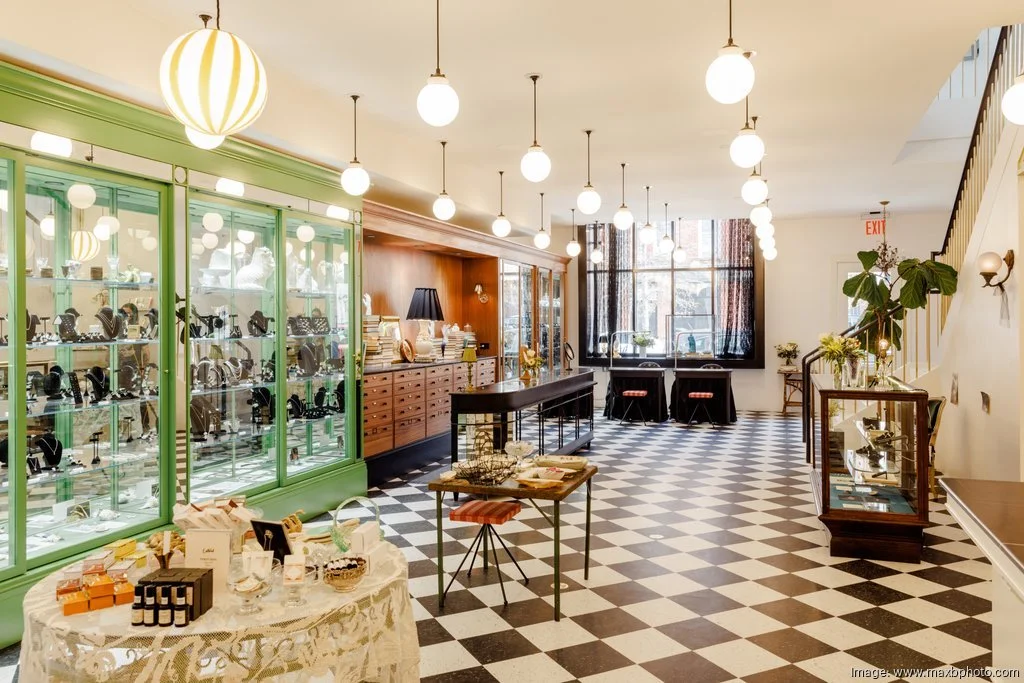
The store interior should feel like a physical extension of the brand. The buildout influences how people perceive the brand, interact with products, and move through the store. The best retail environments are not necessarily the most expensive. They are the most intentional. Strong stores create clear pathways, make products easy to discover, and reinforce the brand through layout, materials, lighting, and design choices. When everything feels deliberate, customers leave with a stronger impression of the brand.
Marketing and activation keep stores relevant
Opening a store creates an opportunity. It does not guarantee traffic. One of the most common misconceptions in physical retail is that opening a store automatically generates ongoing customer demand. In reality, retailers must continually create reasons for customers to visit. The strongest brands treat their stores as active marketing channels, not passive locations. Events, product launches, collaborations, community partnerships, and local engagement all help keep a store visible and relevant after opening. The goal is not simply to drive transactions. It is to create participation. The most successful stores can become gathering places within their communities. Customers return because the brand continues to provide new reasons to engage. Without ongoing activation, even great locations lose momentum over time.
How Strong Brands Win in Physical Retail
Retail differentiation comes from consistency. Every layer of the customer experience should reinforce the brand:
A strong location works best when it attracts the right audience.
Visibility matters when it captures attention.
The in-store experience matters when it reflects the brand.
Marketing matters when it keeps customers engaged.
The strongest retailers connect all of these elements into a single experience. The brands that stand out are the ones that communicate a clear identity at every customer touchpoint. When location, visibility, experience, and activation work together, the store becomes more than a place to sell products. It becomes a living extension of the brand.
Related Insights